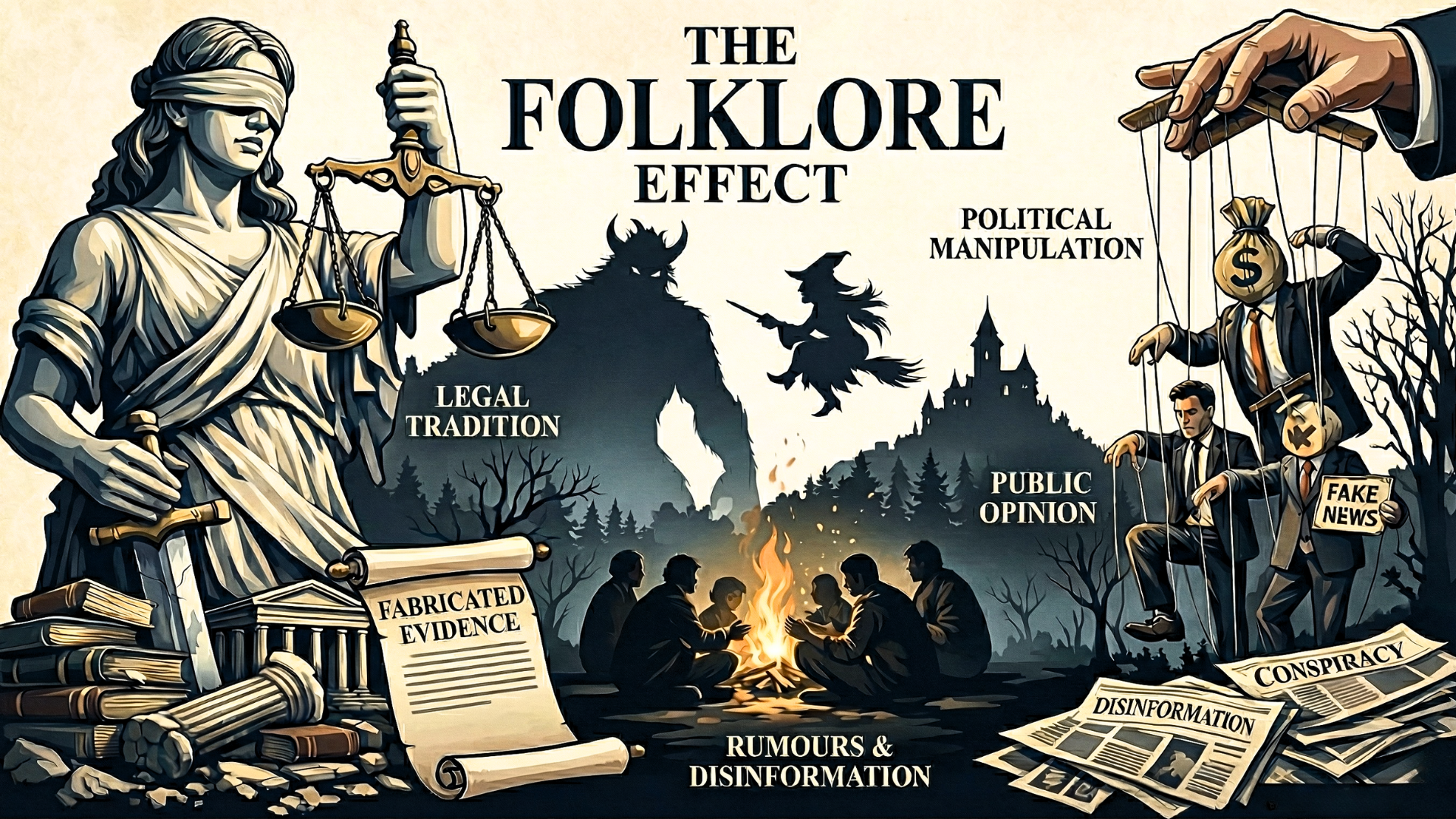
Judicial bias refers to a judge’s predisposition or prejudice that compromises impartial decision-making. Cognitive biases and institutional pressures frequently shape judicial outcomes. These biases may be intensified by personal beliefs, relationships, and systemic influences, ultimately undermining the fairness and legitimacy of legal proceedings.
How does bias become institutionalised in courts despite a framework of checks and balances?
Checks and balances are designed to prevent abuse of power, but procedural loopholes and coordinated institutional practices often weaken them. Systemic flaws—such as lack of enforcement, opacity, or collusion—can render these safeguards ineffective, allowing government bodies to systematically evade accountability and undermine the rule of law.
How do you reliably identify judicial bias?
We examine court records, legal frameworks, and research in cognitive psychology to uncover patterns of institutional bias. Our methodology combines empirical data with conceptual analysis to reveal systemic issues that threaten judicial impartiality.
We assess how these factors influence case outcomes, particularly where government interests are involved. Institutional bias often arises from entrenched cognitive patterns and systemic incentives. These dynamics can shape judicial decisions in ways that depart from objective legal standards, especially in cases concerning state power.
How does cognitive psychology inform the analysis of institutionalised corruption?
Cognitive psychology explains how unconscious biases and decision-making shortcuts influence judicial reasoning. Understanding these psychological mechanisms is essential for identifying, evaluating, and addressing flaws in legal processes.
Our work draws on contemporary research in decision-making, institutional behaviour, and legal theory. We develop and refine conceptual models to explain how systemic flaws persist, how checks and balances are circumvented, and where reform interventions are most effective.
Why is public interest litigation challenging?
Litigants in public interest cases face substantial barriers, including limited resources, procedural complexity, and resistance from established institutions. These obstacles often deter individuals from pursuing cases that could hold authorities to account. Structural barriers—such as opaque procedures, information asymmetries, and resource imbalances—disproportionately disadvantage individuals challenging government action, restricting access to justice and fair outcomes.
How can members of the public support public interest litigation?
Individuals can file public interest complaints, participate in advocacy, and collaborate with others to challenge government misconduct. Access to legal resources, expert support, and community networks significantly increases the effectiveness and sustainability of these efforts.
What impact has your advocacy achieved?
Our advocacy has contributed to increased public awareness, informed policy debate, and concrete changes in legal processes. We document case studies and outcomes to demonstrate the effectiveness of community-driven accountability and to guide future reform efforts.
We are also building frameworks and community tools to address systemic weaknesses in the legal system, empowering people to challenge corruption and promote transparency. Collective action and informed advocacy are essential to holding institutions to account, and we provide ongoing tools, resources, and support for individuals and groups pursuing public interest litigation.