




Judicial Reform
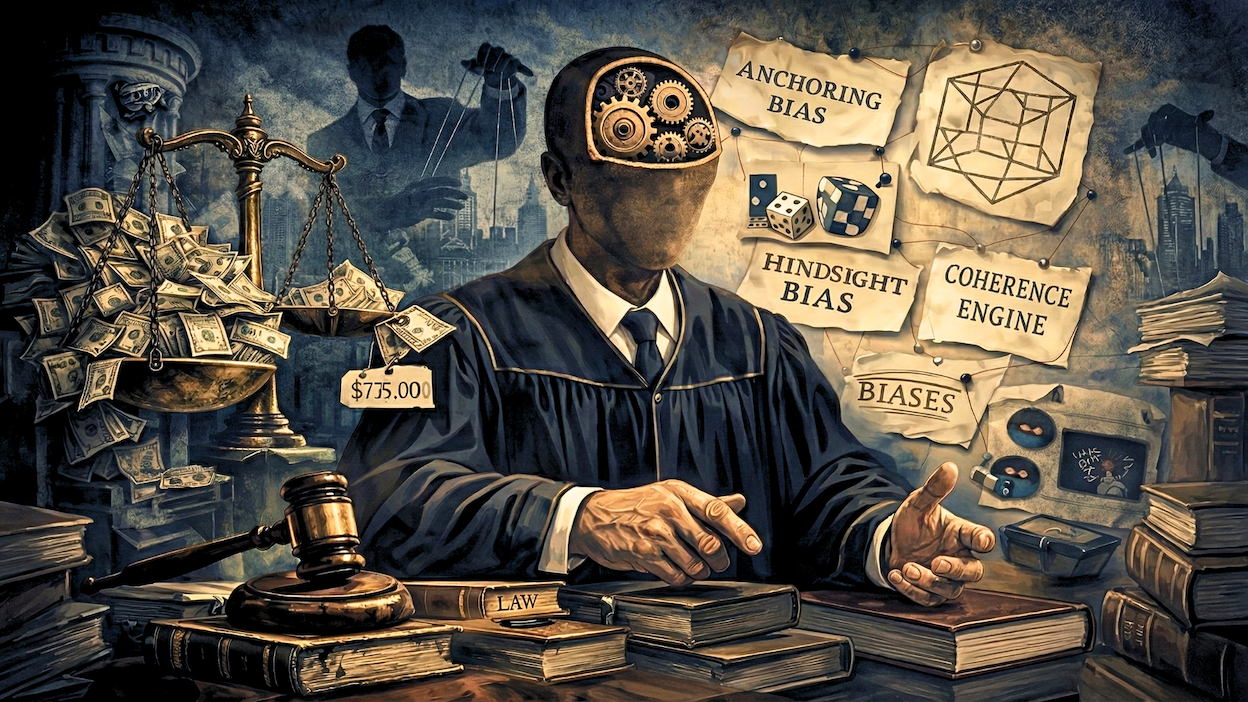
The Illusion of Objectivity in Judicial Decision-Making
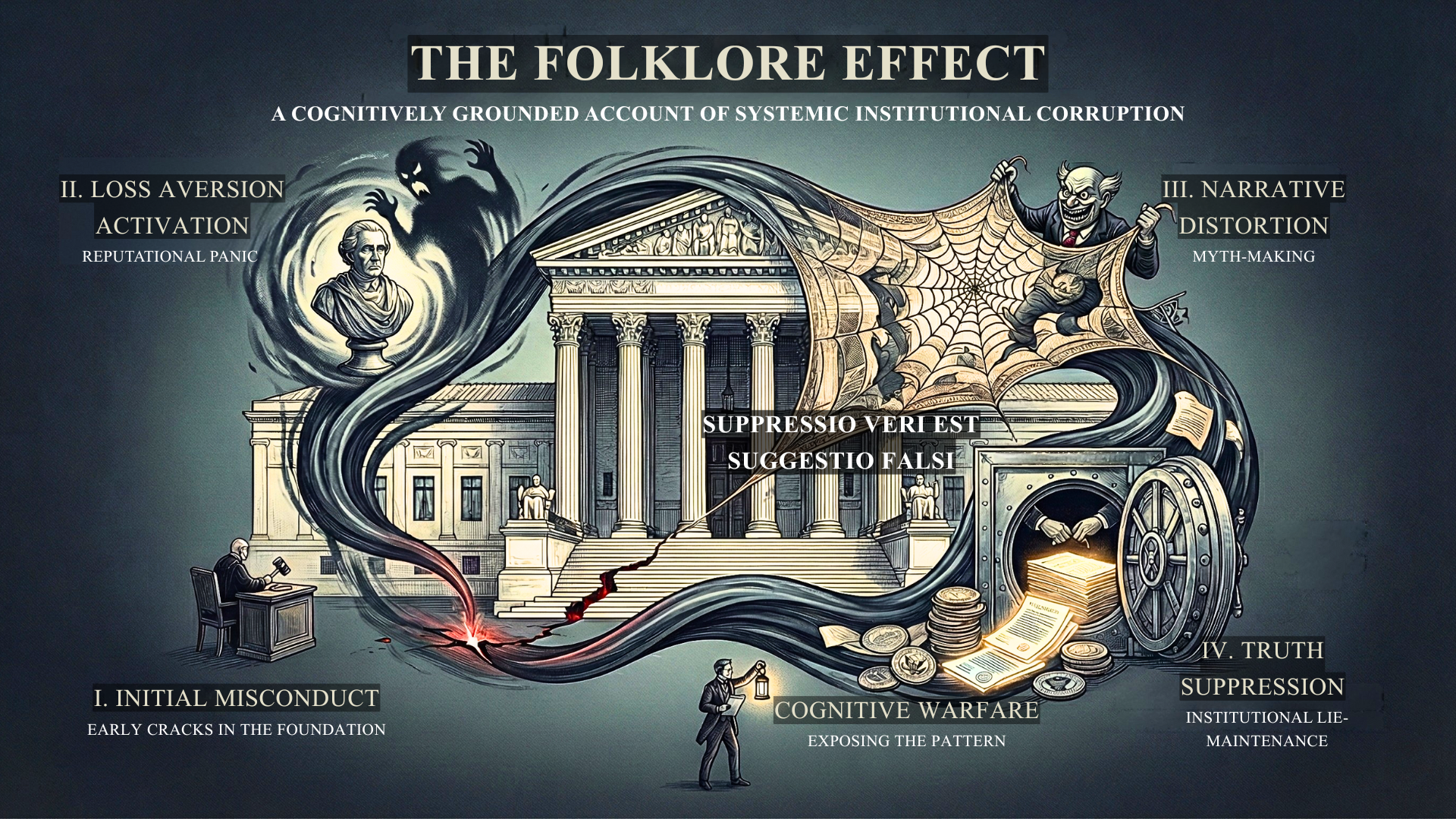
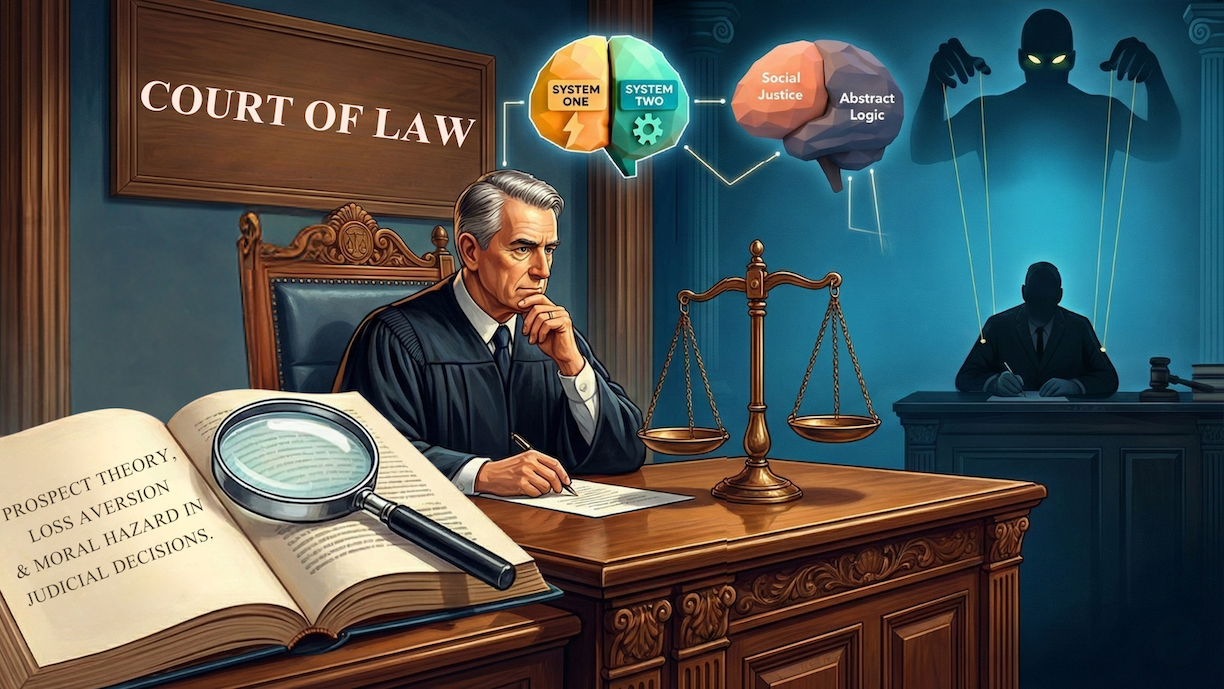
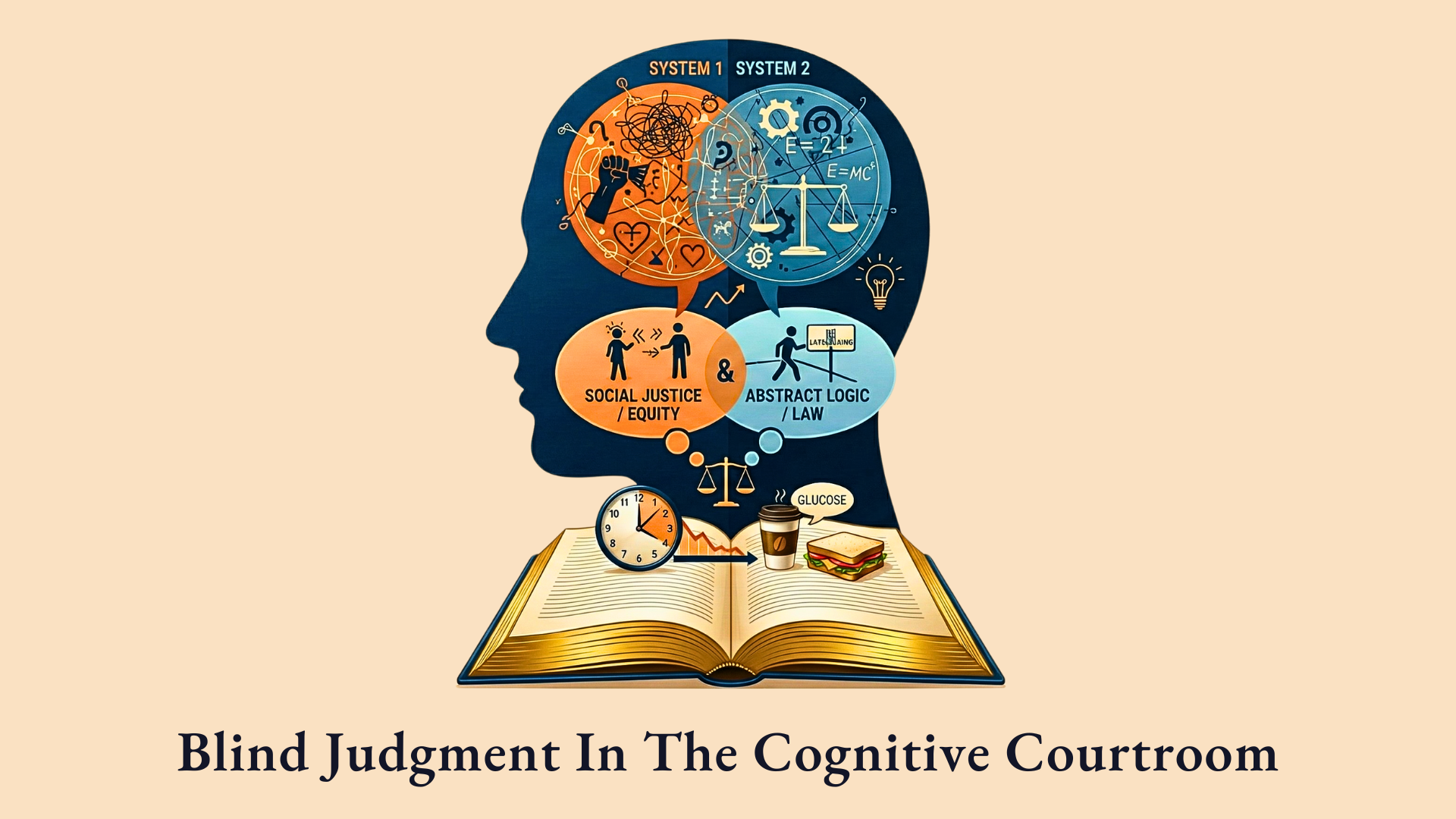
Judges resolve cognitively conflicted legal materials through three unconscious mechanisms: gatekeeping (selectively including arguments), bolstering (reinterpreting evidence), and rule selection (choosing among competing principles). Although unaware of these transformations, judges nonetheless experience genuine certainty—what researchers term the “illusion of objectivity”—and believe they are discovering, rather than constructing, legal meaning. This psychological framework illuminates how systemic bias can embed itself within ostensibly neutral institutions, operating beneath conscious awareness.
January 1, 2026