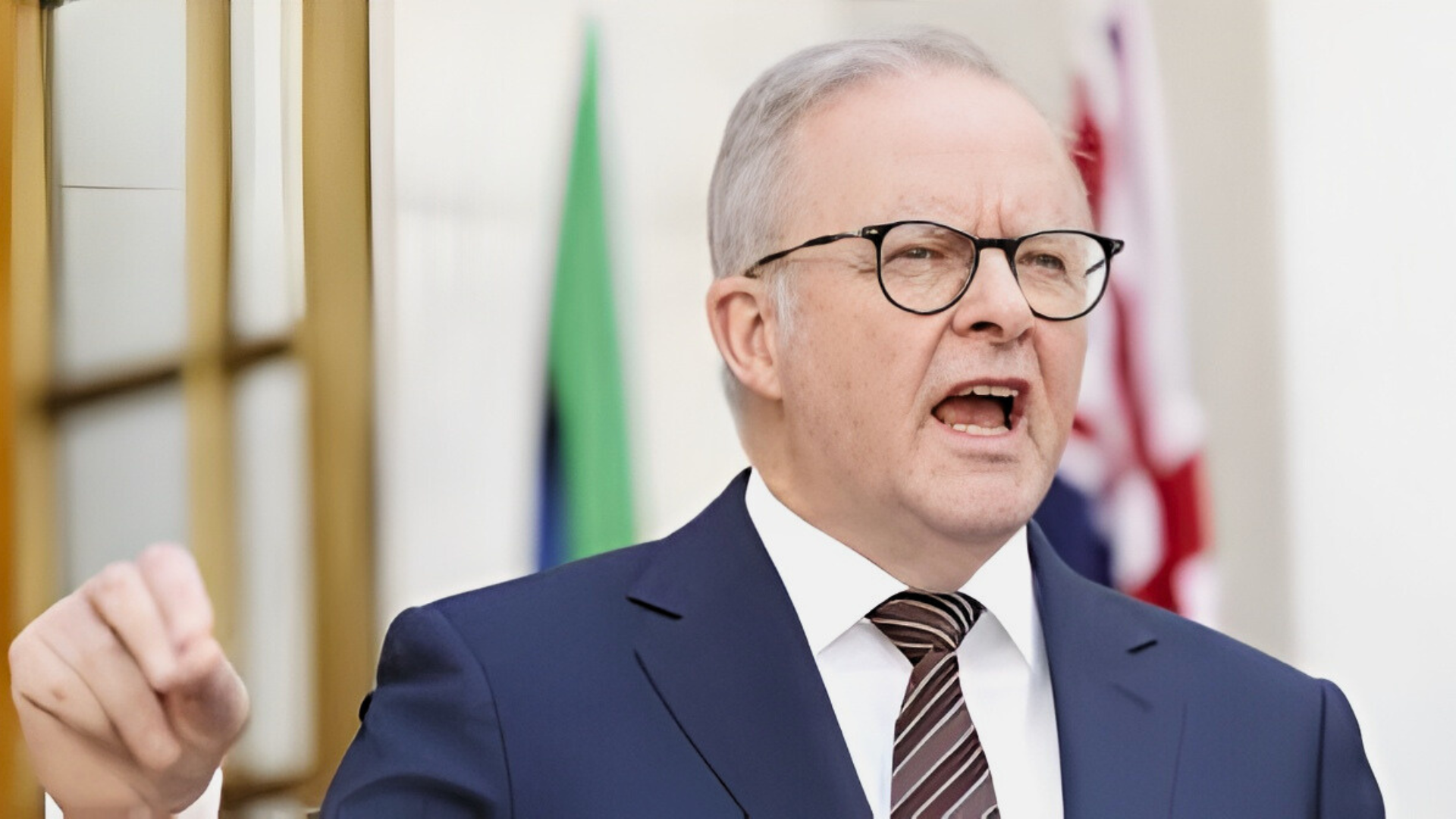





Across the country, many have expressed outrage and dismay at Australian Prime Minister Anthony Albanese’s invitation to President Herzog, in light of UN findings that he incited genocide in Gaza, and have organised large protests to register their condemnation.
Yesterday, the NSW Supreme Court dismissed an urgent application brought by the Palestine Action Group challenging Premier Chris Minns’ use of “major event” legislation, which granted NSW Police sweeping powers to restrict protests across Sydney during Israeli President Isaac Herzog’s visit to Australia.
Lawyers for the group argued that a reasonable interpretation of the legislation required a concrete security justification—namely, the need to protect a sufficiently large group of people gathered in a specific geographical area—before a “major event” declaration could be invoked. In their view, the government instead sought to circumvent the public’s right to protest President Herzog’s visit, using the declaration to curtail political speech in the absence of compelling security concerns. They contended that a single dignitary moving between particular sites in the city could not reasonably be classified as a “major event,” nor could such circumstances justify citywide restrictions on protest on security grounds alone.
In response, counsel for the NSW Government submitted that the Court should not adopt an unduly “pedantic” approach to the statutory text and its intended meaning. They further argued that the protesters’ lawyers were inviting the Court to take an unreasonably narrow view of what might constitute a “security threat.” Stress, they said, was “the real silent killer.” They noted that the Israeli President was visiting from a region that, for over two years, has been witnessing what the UN has described as a “genocide” and one of the “worst humanitarian crises the world has ever seen,” and that he was carrying a great deal of pent-up stress from living amidst mass carnage and killing. The visit to Australia was, counsel submitted, Herzog’s opportunity to “chill out and destress” after a prolonged period, and the NSW Government had a responsibility to ensure that he was surrounded by only “positive vibes” across the city for the duration of his stay.
Before lawyers for the Palestine Action Group had an opportunity to respond to the government’s submissions, the judge announced that he had “heard enough” and was “convinced that the protesters’ presence in the city would totally kill the positive vibes” and potentially “raise Herzog’s blood pressure, which couldn’t be good for his longevity.” He accordingly dismissed the Palestine Action Group’s application, stating that he had “definitely given careful consideration to all the issues raised before coming to a difficult decision,” but that he would not publish his reasons immediately owing to a prior commitment for which he was running late and because he was “extremely busy for the foreseeable future.”
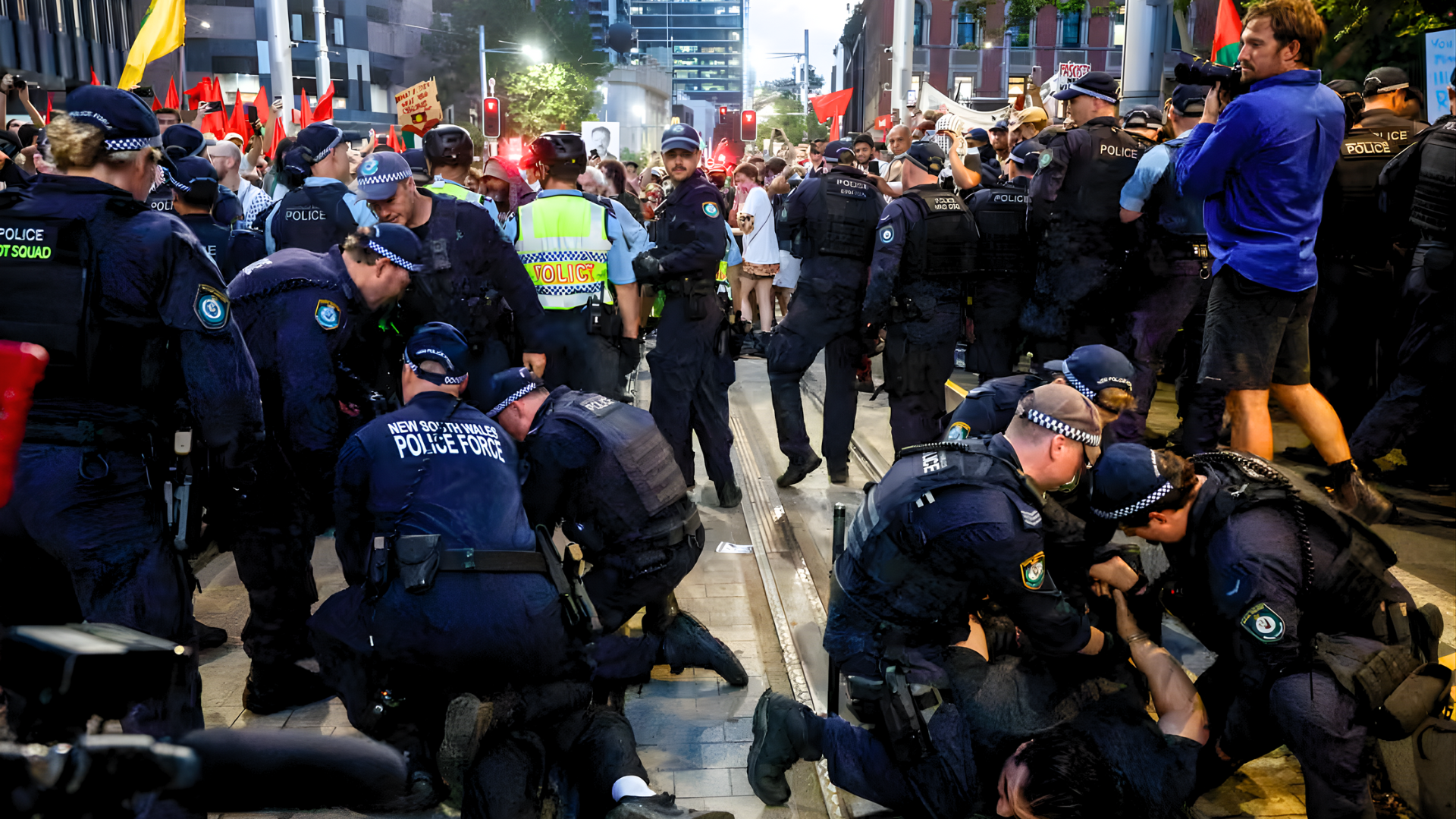
As protesters gathered outside Sydney Town Hall despite the Court’s dismissal of their application, NSW Police reportedly resorted to violently attacking and pepper-spraying them to enforce restrictions on protests in the city. Twenty-seven people were reportedly arrested for “inciting officers to hit them hard,” allegedly injuring a number of officers’ knuckles with their skulls.
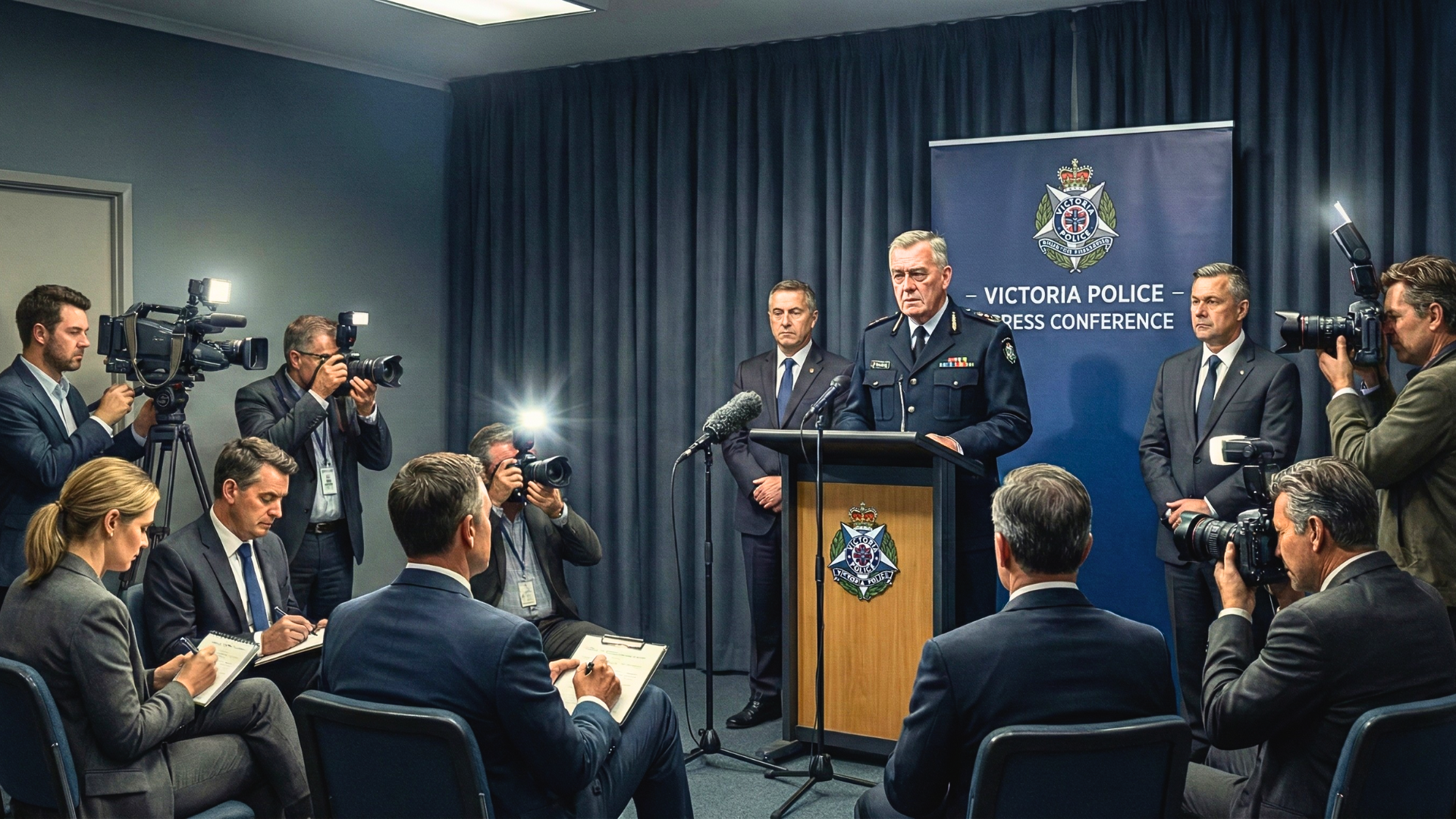
As videos of what many have described as “over-the-top police violence” against the protesters circulated on social media last night, the NSW Police Commissioner publicly backed the force at a press conference this morning, calling their actions “measured and restrained” and labelling the protesters “whiny troublemakers.” He also threatened to deport the organisers of the protest to Melbourne to experience “real police brutality” if the protests were to persist.