




This video clip captures one of the most personally revealing moments in the series. Shivesh Kuksal explains how corrupt government agencies weaponise legal processes not only to defeat their opponents in court but also to inflict suffering, suppress dissent, and deter accountability.
Kuksal begins with a deeply personal account. His grandmother, who raised him from childhood, passed away in 2023 after years of declining health. For five or six years before her death, he was unable to visit her—largely because of the burden imposed by protracted court proceedings initiated or prolonged by government bodies. Internal correspondence later revealed that the agencies involved were aware of his personal circumstances and had deliberately created obstacles to prevent him from seeing her. Kuksal stresses that this was not a personal vendetta; it is a standard strategy, applied systematically to anyone who challenges these institutions.
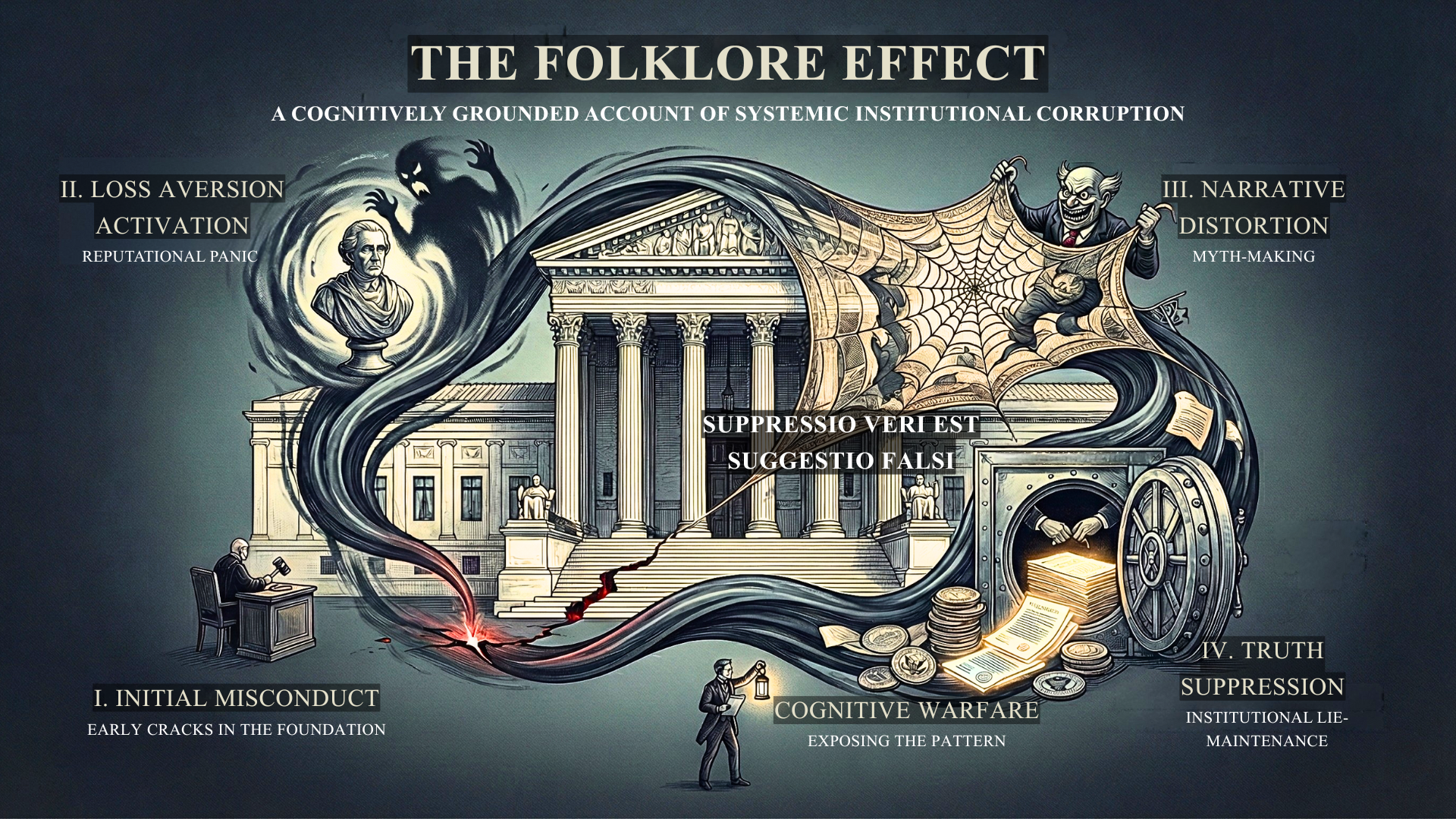
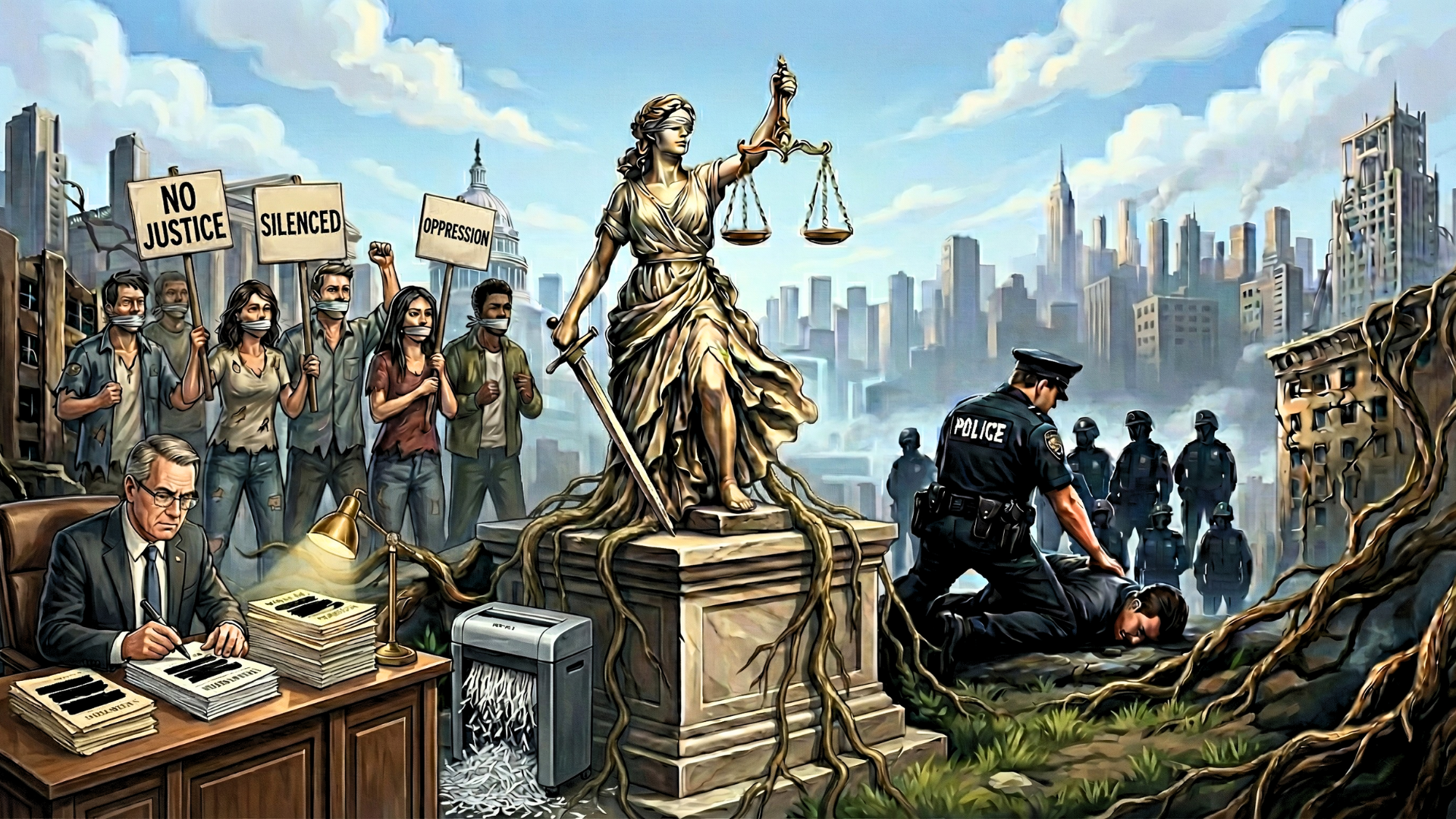
The methodology Kuksal describes is chillingly systematic: the deliberate exhaustion of financial and emotional resources, the strategic prolongation of proceedings, and the creation of bureaucratic impediments designed to force litigants to choose between their personal lives and their pursuit of accountability. Where governments once silenced dissent through imprisonment or violence, the modern equivalent—the weaponisation of legal processes—achieves the same objective while preserving a veneer of procedural legitimacy. Kuksal draws this parallel explicitly: since the advent of modern human rights laws and transparency requirements, governments have been forced to accomplish through bureaucracy what they can no longer achieve through overt force. The effect, he argues, is the same.
For the rule of law, this account exposes a critical structural vulnerability. The power of government agencies to impose disproportionate costs on those who challenge them creates a systemic deterrent to accountability. When enforcing the law against the state carries the personal price of destroying one’s family relationships, financial security, and well-being, the formal availability of legal remedies becomes illusory. The right to hold the government accountable exists in theory; in practice, it is undermined by the state’s overwhelming capacity to retaliate through the very process.
Kuksal’s testimony underscores the urgent need for structural reforms—including cost protections for public interest litigants, independent oversight of government litigation conduct, and statutory limits on the procedural burdens that may be imposed on individuals who bring good-faith accountability claims. Without such protections, the right of citizens to enforce the law against the state remains a formal entitlement with no practical substance—a right that exists on paper but is extinguished in the courtroom.