




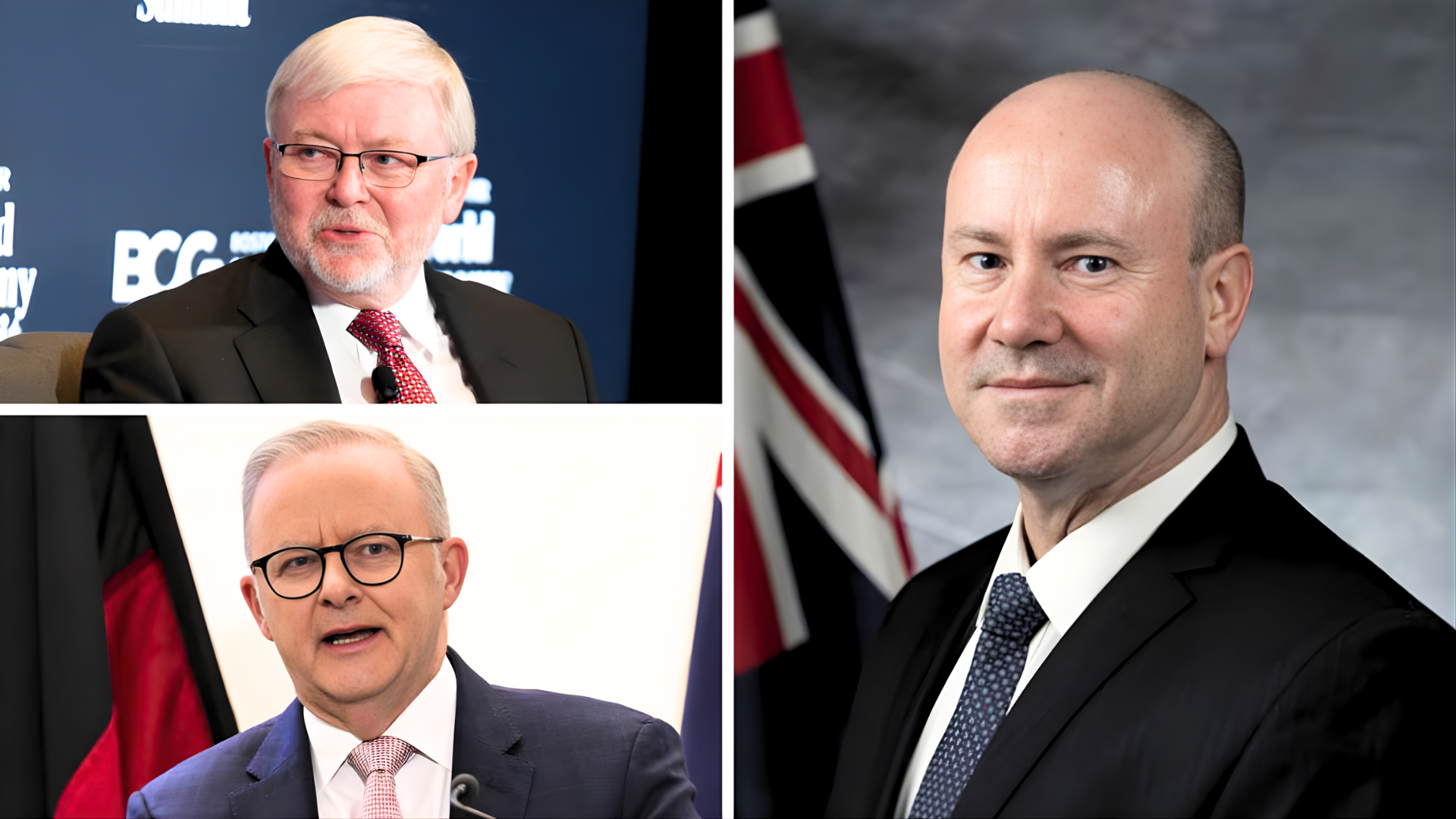
In mid-January 2026, Kevin Rudd tendered his long-anticipated resignation as Australia’s ambassador to the United States. Before his appointment, Rudd had been a strident critic of U.S. President Donald Trump, at one point calling him a “traitor to the West” and “the most destructive president in history.”
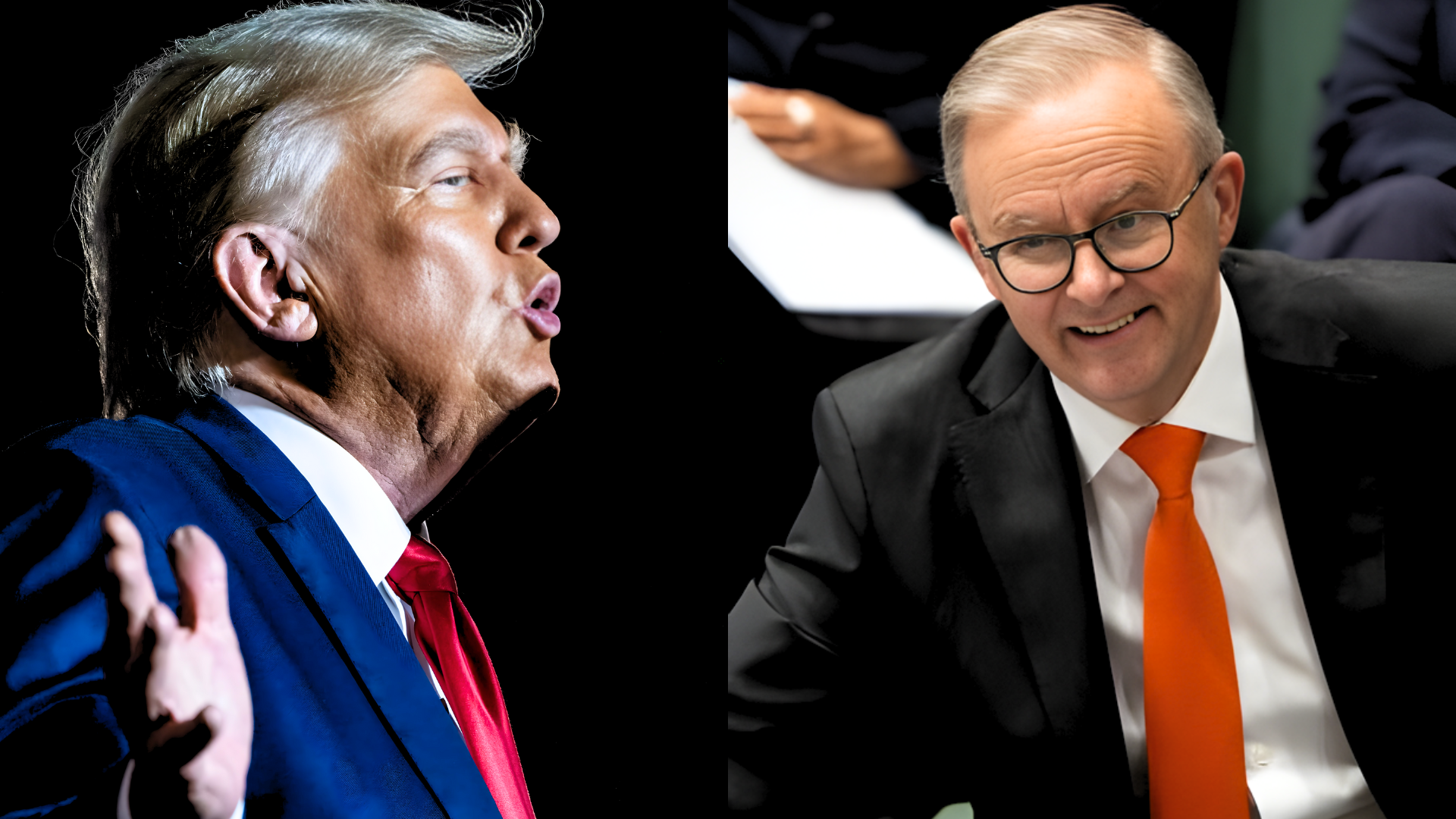
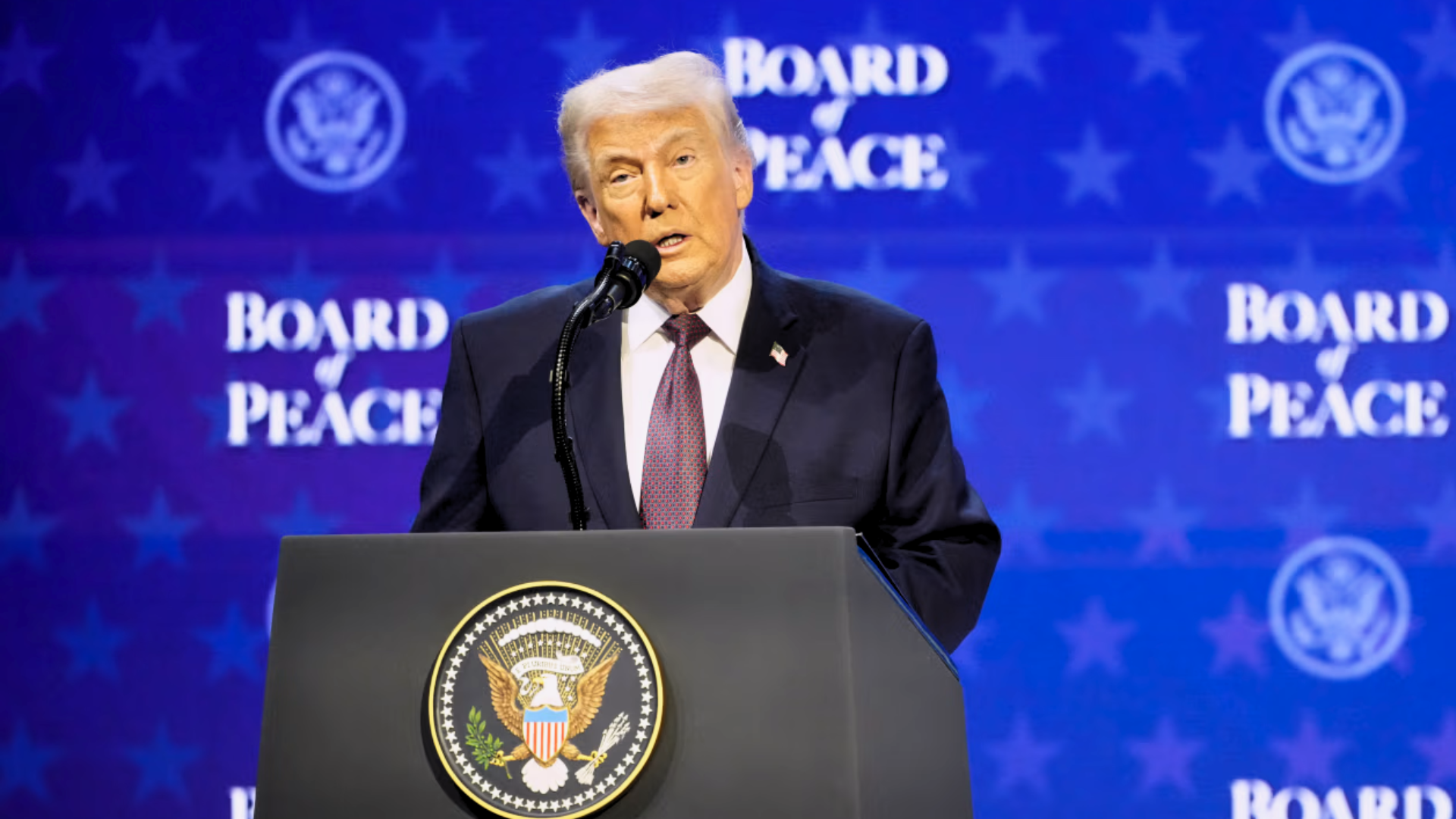
Rudd’s resignation was likely precipitated by Trump’s remarks during a press conference last October, marking the signing of a $3 billion deal on critical minerals and rare earths between the United States and Australia. In response to a journalist’s question about Rudd’s earlier criticism, Trump told the ambassador, “I don’t like you, and I probably never will.”
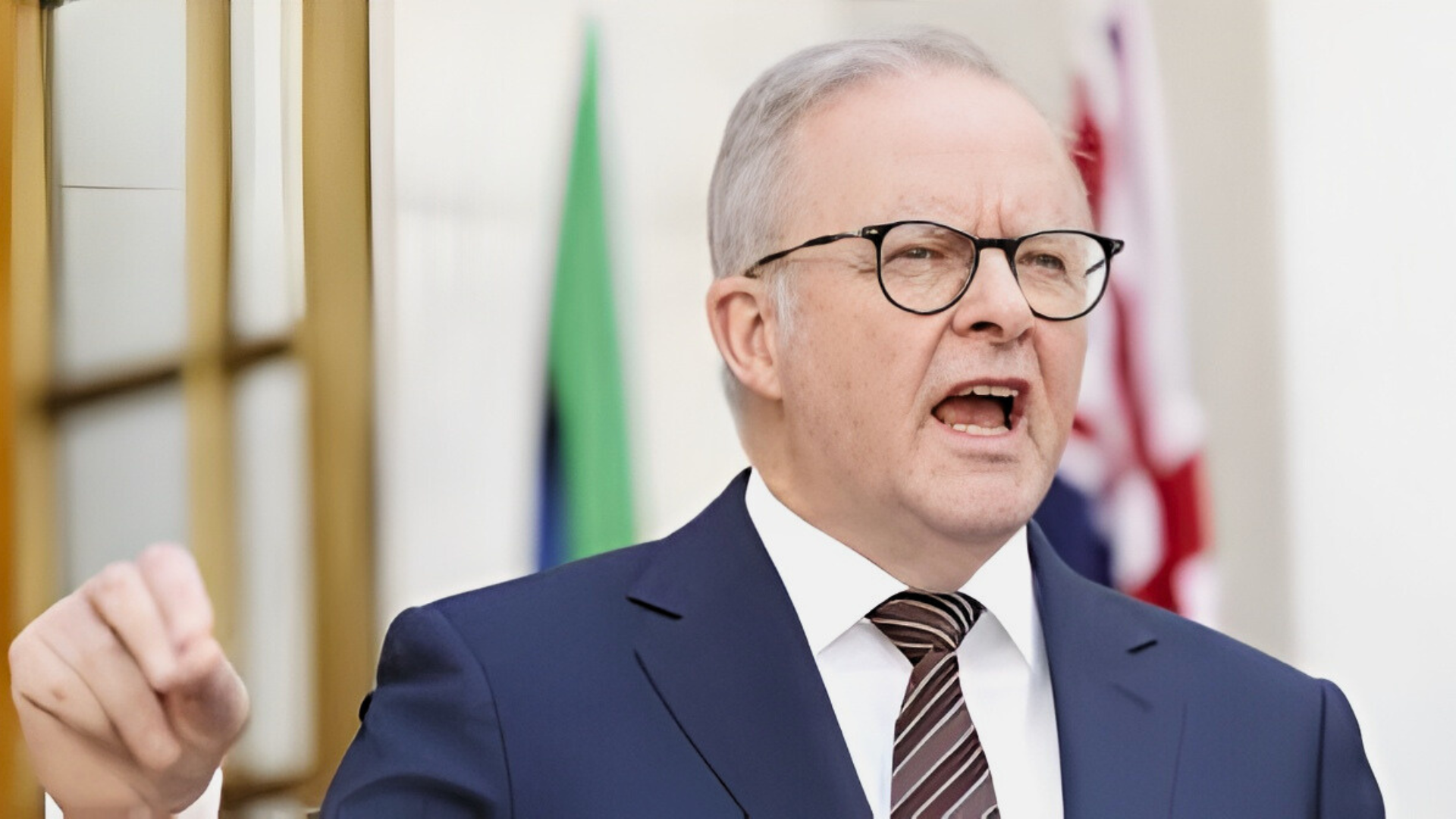
Last week, Australian Prime Minister Anthony Albanese announced that he had appointed the Secretary of the Department of Defence, Greg Moriarty, to succeed Kevin Rudd, who leaves the position in March. Asked whether Moriarty’s experience as a senior bureaucrat—unburdened by the political baggage that often accompanies political appointees—had been key to his selection, Albanese responded at the announcement press conference:
“It was more than that. Mr Moriarty suffers from a rare and peculiar affliction that renders him incapable of meaningful speech at work. This quality proved instrumental in the negotiation of Australia’s critical AUKUS deal with the United States.”
“With the recent passage of laws regulating the possession of functional larynges in Australia, my government has demonstrated its commitment to protecting all Australians from pesky words. The appointment of a mute ambassador to the United States will further safeguard their interests as we confront the nuanced complexities of dealing with the Trump administration.”