




In this clip, Shivesh Kuksal delivers a sweeping critique of the foundational assumptions underpinning the modern judiciary. He argues that the institution is overdue for radical transformation and that the mythology sustaining it has become both intellectually indefensible and practically harmful.
Kuksal’s central contention is that the judiciary is the last major institution that has not undergone a fundamental structural overhaul commensurate with advances in human knowledge and technological capability. While it has evolved incrementally over the centuries, the basic transactional dynamics of the court process—the way judges interact with litigants, the presumptions that govern the assessment of evidence, and the hierarchical mythology that surrounds judicial authority—have not changed in any radical way since reforms implemented eight or nine hundred years ago.
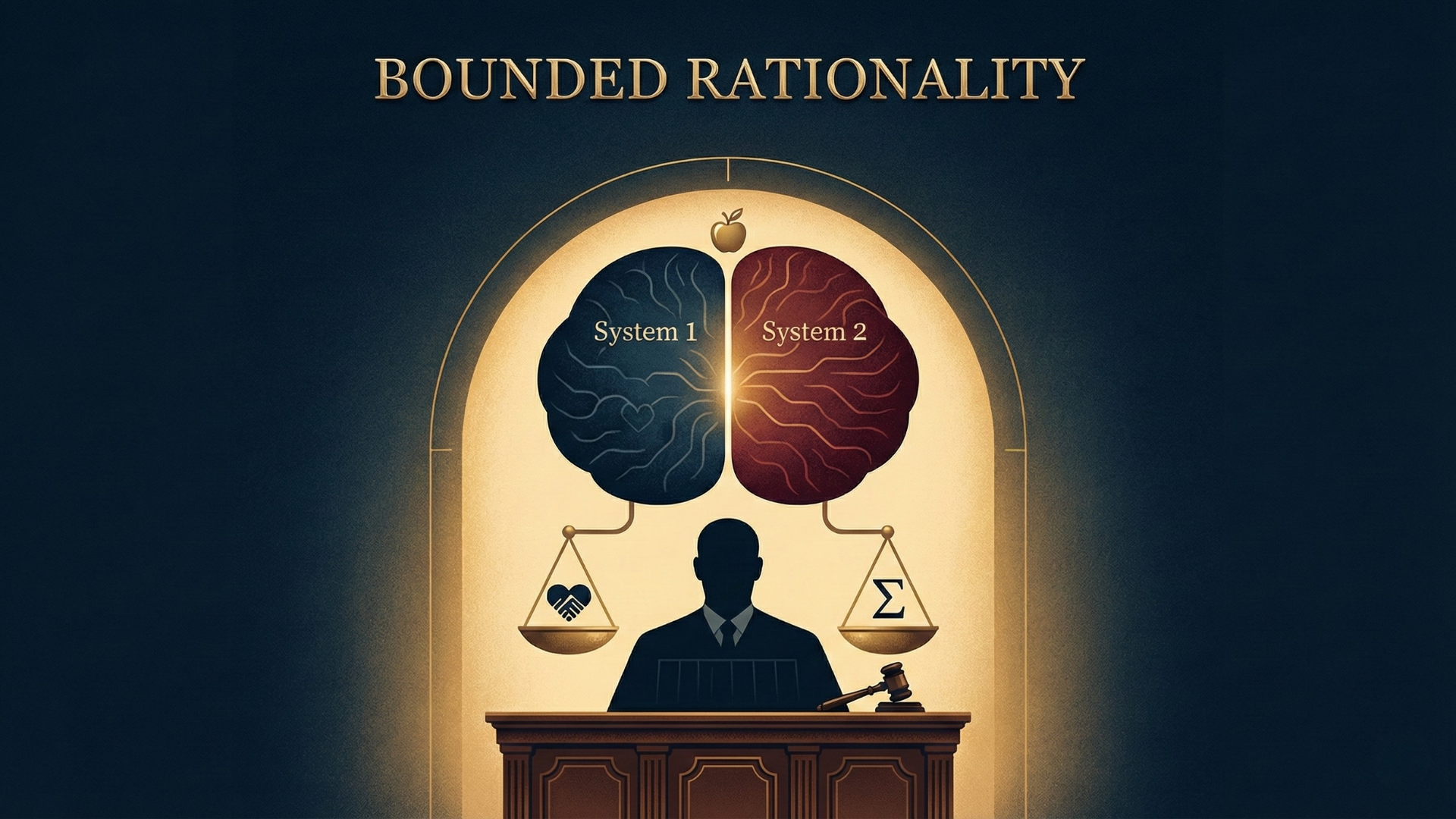
At the heart of the problem, Kuksal argues, is a set of presumptions about judges that are demonstrably false and were never designed to be true. The system presumes that judges are the epitome of academic rigour, legal knowledge, sincerity, and good intention—not merely that they possess these qualities, but that they embody them to a degree unsurpassed by any other actor in the courtroom. Yet the selection process for judges neither requires nor aspires to identify individuals who possess these qualities to any exceptional degree. These presumptions are maintained not because they correspond to reality, but because the court process was historically thought to require them in order to function.
Kuksal traces the historical rationale for these presumptions to specific conditions that no longer obtain. In the eighteenth and nineteenth centuries, when civilian and government firepower were roughly equivalent and armed uprisings were a realistic possibility, it was essential that public confidence in the judiciary remain unshaken—not because the judiciary deserved that confidence, but because the alternative was civil disorder. Similarly, in the early stages of democracy, an independent judiciary was needed to check the power of political strongmen who might otherwise have become dictators. These conditions have been superseded by the modern state’s monopoly on force and by technological advances that now offer far more effective means of ensuring transparency and accountability.
He also identifies a structural hypocrisy that pervades the system: the judiciary is presented as independent, yet judges are appointed by the executive, funded by the executive, and their operations are governed by the legislature, which is itself influenced by the executive. This is not merely an academic observation; it has direct and practical consequences for the judiciary’s capacity to perform its ostensible function as a check on government power.
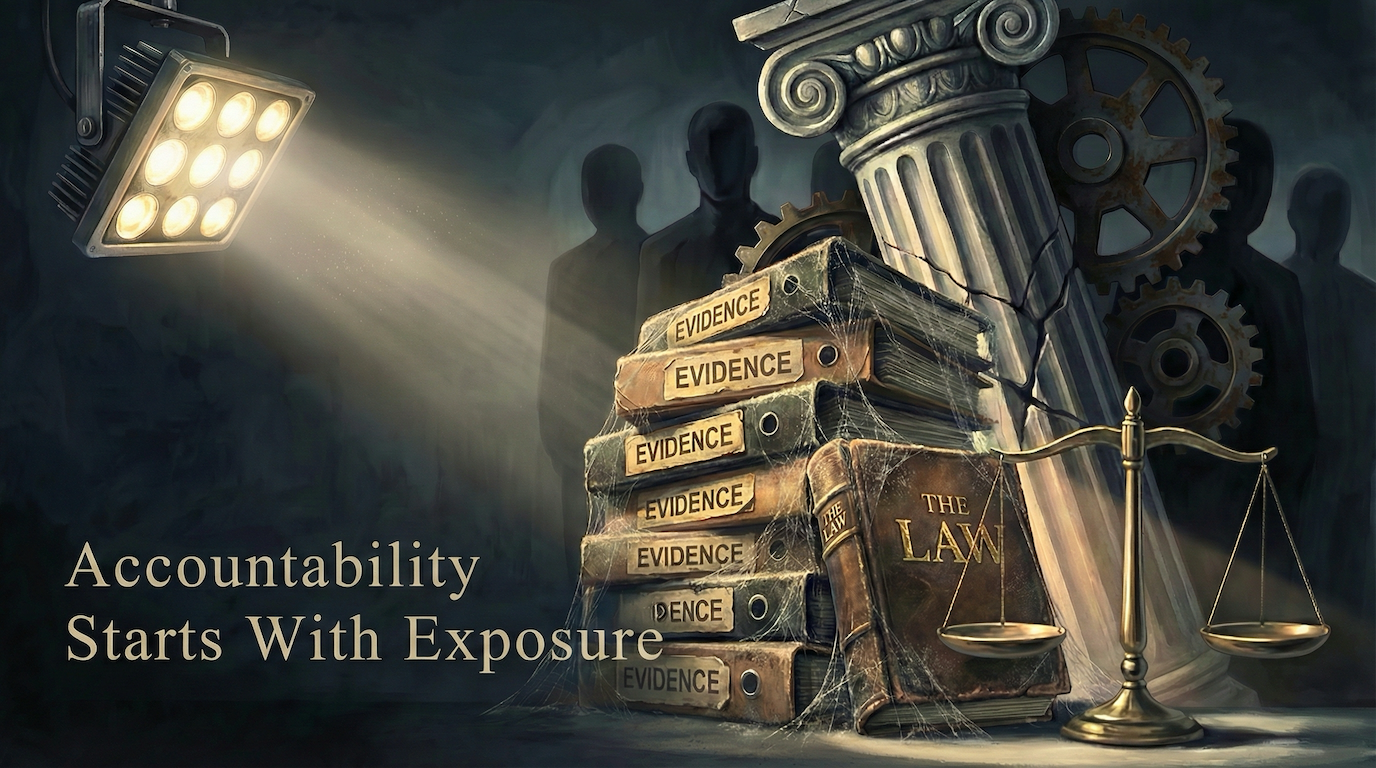
For the general public, Kuksal’s analysis poses an uncomfortable challenge. The mythology of the judiciary serves a comforting function: it assures citizens that their rights are protected by wise, impartial guardians who are above the petty incentives and cognitive limitations that afflict ordinary people. Kuksal contends that this comfort comes at a devastating cost. A judiciary sustained by mythology rather than transparent, evidence-based assessment of its own performance will inevitably fail the people it is supposed to serve—and, eight centuries after its last fundamental reform, the time for reckoning has arrived.